Training for Police and Public Safety Leaders

Law Enforcement Crisis Communications Training

Law enforcement crisis communications training from Jason Pack gives agencies practical media, PIO, and command staff skills drawn from FBI and public safety experience.

law enforcement crisis communications training

Training built around real pressure

Jason Pack is a retired FBI Supervisory Special Agent, certified FBI Hostage Negotiator, and certified Child Abduction Response Team Leader. He spent nearly a decade in the FBI National Press Office and served as Deputy Chief before rising to Chief of Staff for FBI Public Affairs worldwide.

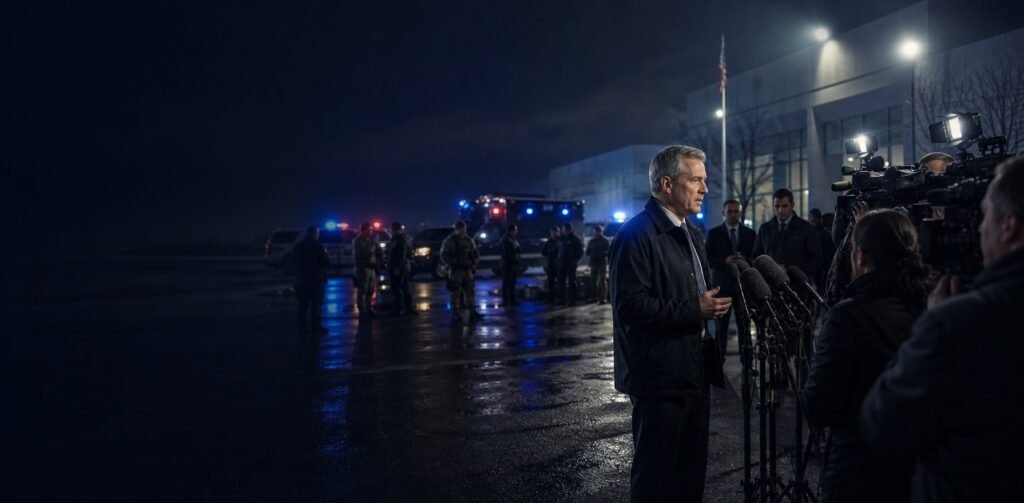
That background shapes this training. The focus is clear public communication during active scenes, sensitive investigations, community trust incidents, and moments when command staff must face cameras before every fact is known.

Training delivered through Crisis Ready Training

Programs can be delivered through Crisis Ready Training, the training platform co-founded by Jason Pack. Courses can include public information officer training, media relations training, on-camera training for command staff, and tabletop crisis exercises.

The training is direct and scenario based. Participants practice writing holding statements, preparing press conference openings, answering difficult questions, and deciding what not to say when information is not confirmed.

Who should attend

This training is built for PIOs, command staff, chiefs, sheriffs, emergency managers, and public safety communications teams. It also fits regional training groups that want one shared approach for multiple agencies.

MRGS can tailor scenarios to the agency. A department with recent protest pressure, an officer-involved shooting, a child abduction, or a major weather event may need different drills than a department preparing for future risk.

Active training work

Jason Pack continues to train public safety audiences. Recent examples include Advanced Child Abduction Training at Auburn Police Department and a National Forensic Academy commencement address. The work stays connected to the field, not a classroom memory from years ago.

Formats include half-day workshops, full-day classes, multi-day academy style programs, virtual sessions, and tabletop exercises for command staff and communications teams.

FAQ

How long is a typical training session?

Training can be built as a half-day session, full-day workshop, multi-day program, or focused virtual class based on the agency goals.

Can training be customized for a specific agency incident history?

Yes. MRGS can tailor scenarios around an agency history, risk profile, community concerns, or likely incident types.

Does training include on-camera practice with live feedback?

Yes. Training can include mock interviews, press conference drills, recorded practice, and live feedback for PIOs and command staff.

Related MRGS services

Next Step

Talk through the risk before the room fills with pressure.

Use a short call to identify the incident type, public pressure, stakeholders, and message risk.