Law Enforcement Crisis Communications
Crisis Communications Consultant for Law Enforcement
Jason Pack is a crisis communications consultant for law enforcement with 21 years of FBI service and command-level public affairs experience.

Support before, during, and after the incident
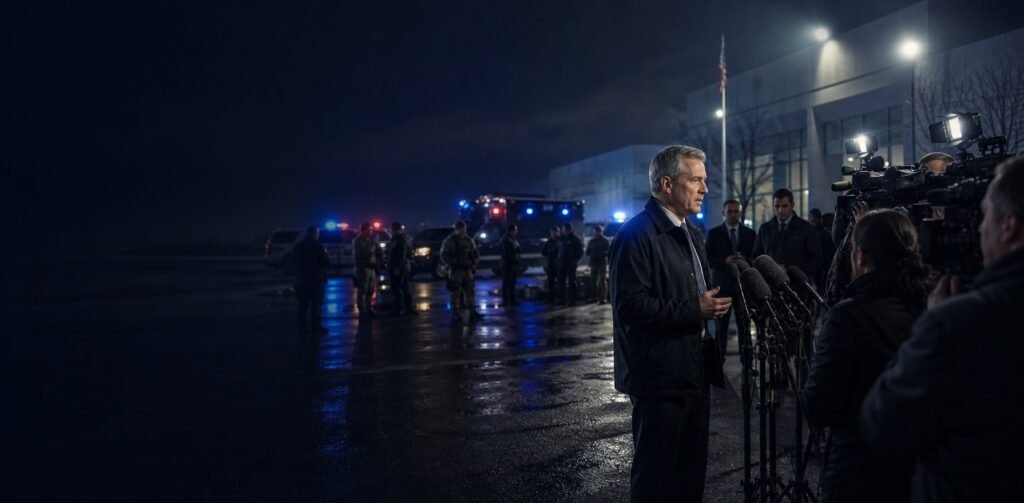
Law enforcement agencies face public pressure when the facts are still moving. A chief, sheriff, command staff, and public information officer may have to speak while investigators are still working, families are waiting, and reporters are asking for details that cannot yet be released.
MRGS helps agencies prepare for that pressure before an incident occurs. The work includes crisis response planning, approval paths, holding statements, briefing structure, and internal communication so sworn and civilian staff hear accurate information from their own agency first.
During an active incident, the goal is disciplined accuracy. Agencies need a clear process for what can be confirmed, what must be held, and who has authority to speak. After the incident, the work turns to trust, updates, records, and the long tail of public questions.
Federal case experience that shaped the work
Before founding MRGS, Jason Pack served in the FBI National Press Office and rose to Chief of Staff of the worldwide FBI Public Affairs operation. His crisis communications work included the Boston Marathon Bombing, Pulse Nightclub Shooting, Fort Hood Shooting, Chattanooga Military Base Attack, Nashville Christmas Day Bombing, and Sony cyber hack.
That experience matters because major incidents do not wait for perfect facts. Public safety leaders must protect the investigation, respect victims, support their own people, and still give the public enough confirmed information to maintain trust.
Services for police and public safety agencies
MRGS supports law enforcement agencies that need practical help, not abstract theory. The work can be used for one incident, a readiness project, or a retainer relationship for agencies with regular public scrutiny.
- Crisis response planning for command staff and PIO teams.
- Officer-involved shooting communications support.
- Media relations during active investigations.
- Internal communications for agency staff during a crisis.
- Press conference preparation for chiefs, sheriffs, and command staff.
The inside law enforcement difference
A law enforcement crisis is not the same as a corporate reputational event. The public statement can affect witness cooperation, victim family trust, officer safety, employee morale, and court proceedings. Jason Pack has worked those tensions from inside federal law enforcement.
MRGS brings that experience to state, local, campus, and federal partners that need outside support from someone who understands both the investigative side and the public communications side.
FAQ
What does a crisis communications consultant do for a police department?
A consultant helps the agency plan statements, structure briefings, prepare leaders for media questions, coordinate internal updates, and avoid speculation during active incidents.
How fast can a consultant respond during an active incident?
MRGS can begin remote support quickly for urgent matters, then determine whether on-site support is needed based on the incident, location, and agency needs.
Does MRGS work with state and local agencies or only federal agencies?
MRGS works with state, local, federal, campus, and public safety agencies that need crisis communications planning, training, or active incident support.
Related MRGS services
- Media Rep Global Strategies homepage
- Crisis communications case studies
- Officer Involved Shooting Communications Consultant
- Government Agency Crisis PR Consultant
- Law Enforcement Crisis Communications Training
Next Step
Talk through the risk before the room fills with pressure.
Use a short call to identify the incident type, public pressure, stakeholders, and message risk.